Benefits of Red Sandalwood for Skin: Uses and Safety
Explore the benefits of red sandalwood, including traditional uses and what research says. Learn about lal chandan benefits for skin and safe application.
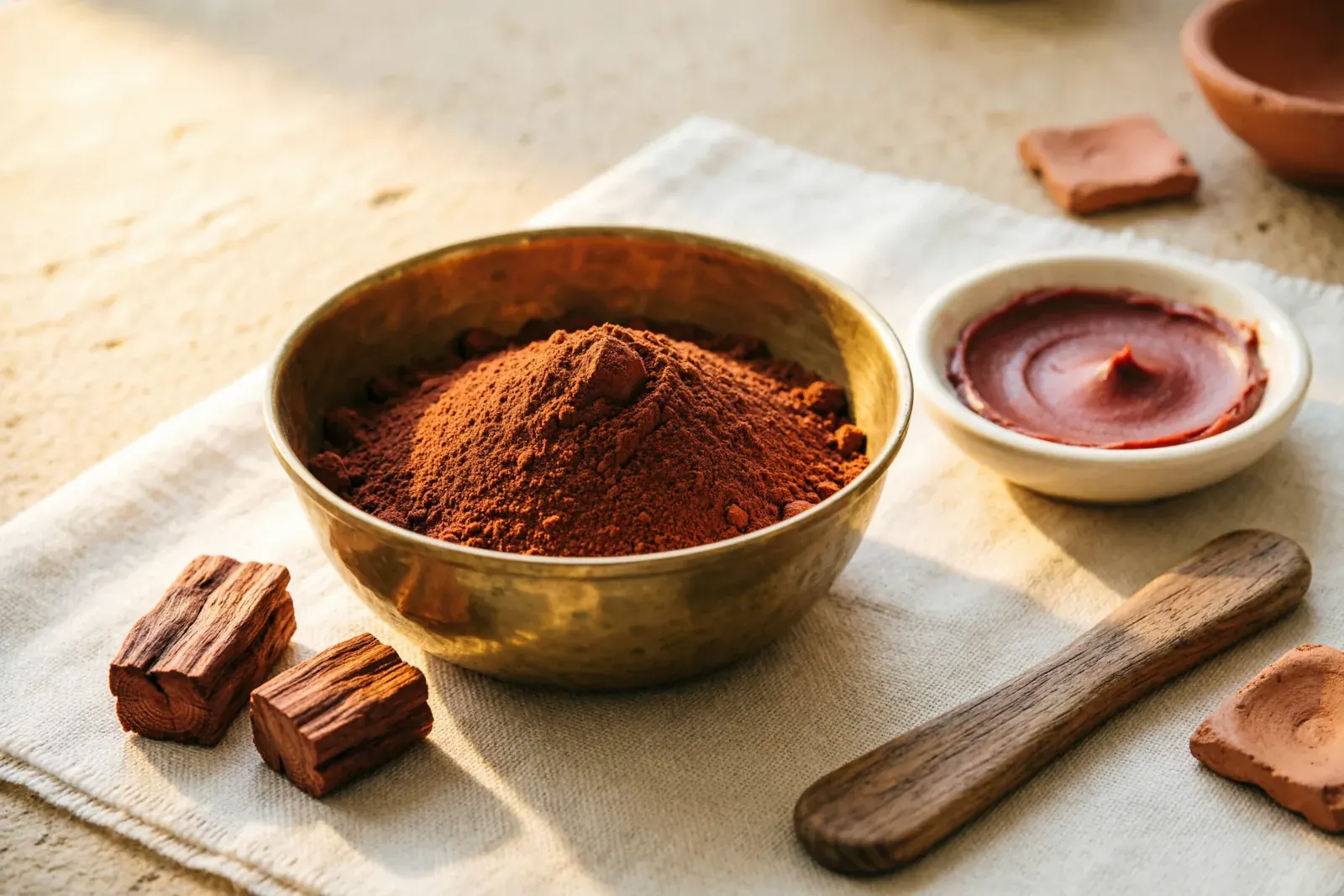
That vivid, ruby-toned powder featured in traditional Ayurvedic skin pastes looks captivating—especially when wellness forums promise overnight blemish correction and flawless clarity. Known botanically as Pterocarpus santalinus and culturally as rakta chandan or lal chandan, red sandalwood holds a storied legacy across classical Indian skincare rituals.
Yet an alluring crimson hue does not inherently translate into clinical efficacy. Can red sandalwood genuinely control excess sebum, soothe inflammatory papules, or lighten stubborn post-acne erythema?
This dermatological review investigates the botanical identity of red sandalwood, compares folklore claims against modern scientific evidence, and outlines safe application guidelines to safeguard your skin barrier.
The Dermatologist's Rule on Botanical Clays and Powders
Drying powder masks act as physical adsorbents that absorb surface facial oil, but they do not alter internal sebaceous gland activity. Never allow a red sandalwood mask to dry into a hard, cracked shell on your face—rinse while it remains damp to prevent severe barrier dehydration.
What Is Red Sandalwood and How Does It Differ from White Chandan?
A frequent point of confusion among consumers is assuming that red sandalwood is simply a coloured variant of standard sandalwood. They originate from completely separate botanical families:
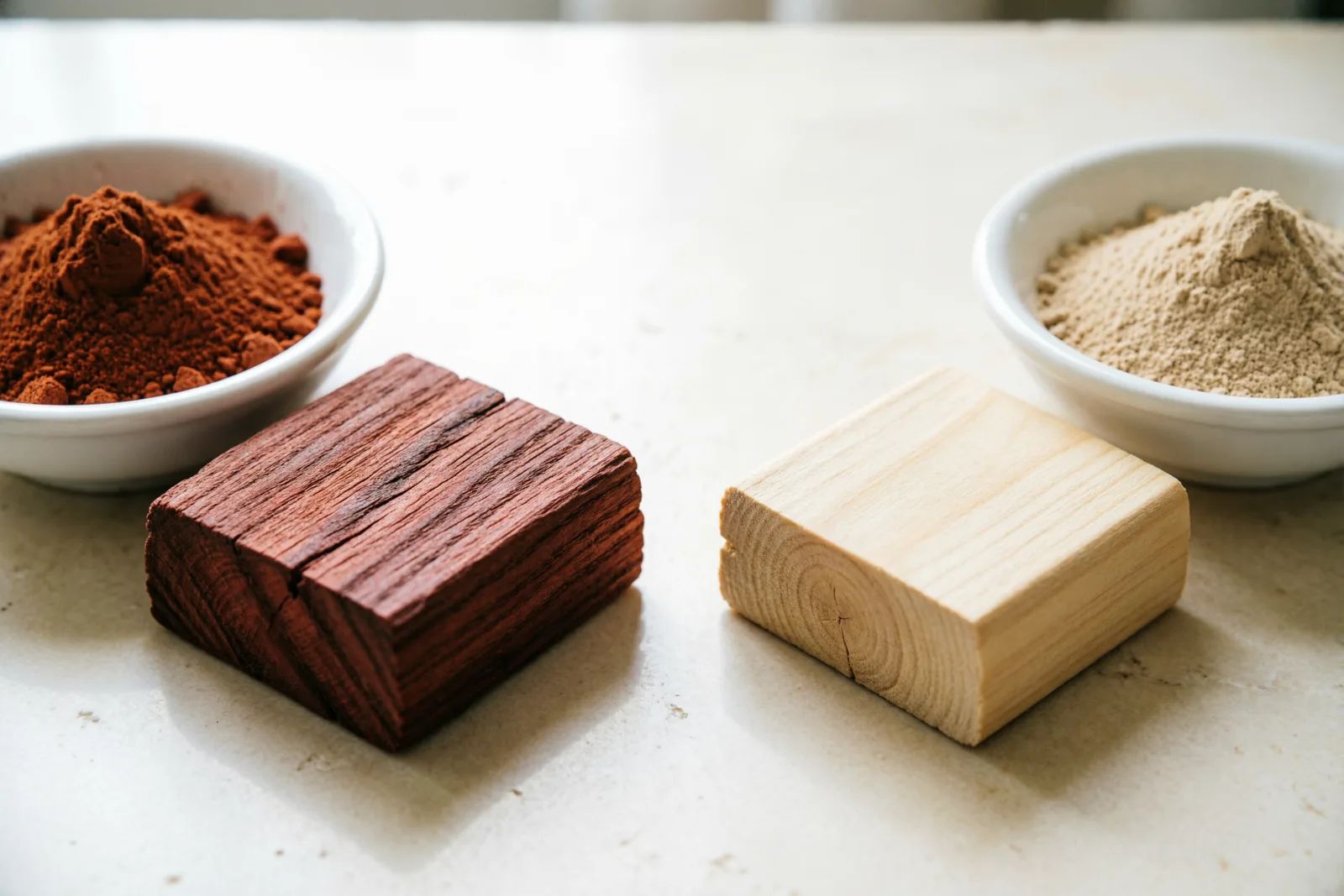
- Red Sandalwood (Pterocarpus santalinus): A small, heavily protected deciduous tree native to the southern Eastern Ghats mountain range of India. Its dense, blood-red heartwood yields santalin pigments, flavonoids, and triterpenes. It possesses virtually no aromatic essential oil fragrance.
- White Sandalwood (Santalum album): The world-renowned source of genuine sandalwood essential oil (santalol), cherished globally for its warm, woody, calming aroma.
Because Pterocarpus santalinus is an endangered and protected species, adulteration with cheap wood dust or synthetic red dyes is common. Always source certified, traceable cosmetic powders.
Red Sandalwood Skin Benefits: Folklore vs Clinical Evidence
| Popular Traditional Claim | Current Scientific Reality | Dermatological Assessment |
|---|---|---|
| Cures Active Inflammatory Acne | Preclinical anti-inflammatory data only | Powder friction can rupture pustules and spread bacteria |
| Permanent Complexion Lightening | No evidence of melanin synthesis halting | Santalin pigments temporarily stain skin; no bleaching effect |
| Controls Excess Oiliness | Temporary surface adsorption | Removes superficial sebum; doesn't shrink sebaceous pores |
| Erases Melasma & Sun Damage | Insufficient clinical human trials | Requires broad-spectrum SPF and medical tyrosinase inhibitors |
| Provides Free-Radical Defense | Moderate in vitro antioxidant activity | Flavanoids offer cellular defense when properly formulated |
1. Temporary Surface Oil Adsorption
When blended with water or rose water, finely milled red sandalwood forms a light colloidal paste that binds to excess sebum, surface perspiration, and airborne particulate dirt. Upon rinsing, the skin feels clean and matte.
However, this degreasing effect is temporary. Overusing powder masks can trigger compensatory rebound oiliness as your skin attempts to restore stripped lipids.
2. Preclinical Anti-Inflammatory Potential
Phytochemical analyses confirm that red sandalwood heartwood contains bioactive flavonoids, including santalins A and B, which demonstrate mild anti-inflammatory properties in laboratory cell models. While promising, these lab findings have not been replicated in large-scale dermatological human trials.
3. Addressing Complexion Dullness and Pigmentation
In South Indian traditions (rakthachandanam), the paste is frequently applied to fade dark marks. While gentle physical removal of dead surface cells can impart a temporary glow, red sandalwood cannot dismantle deep dermal melasma or post-inflammatory hyperpigmentation. Consistent daily sun protection remains far more crucial for treating dark spots.
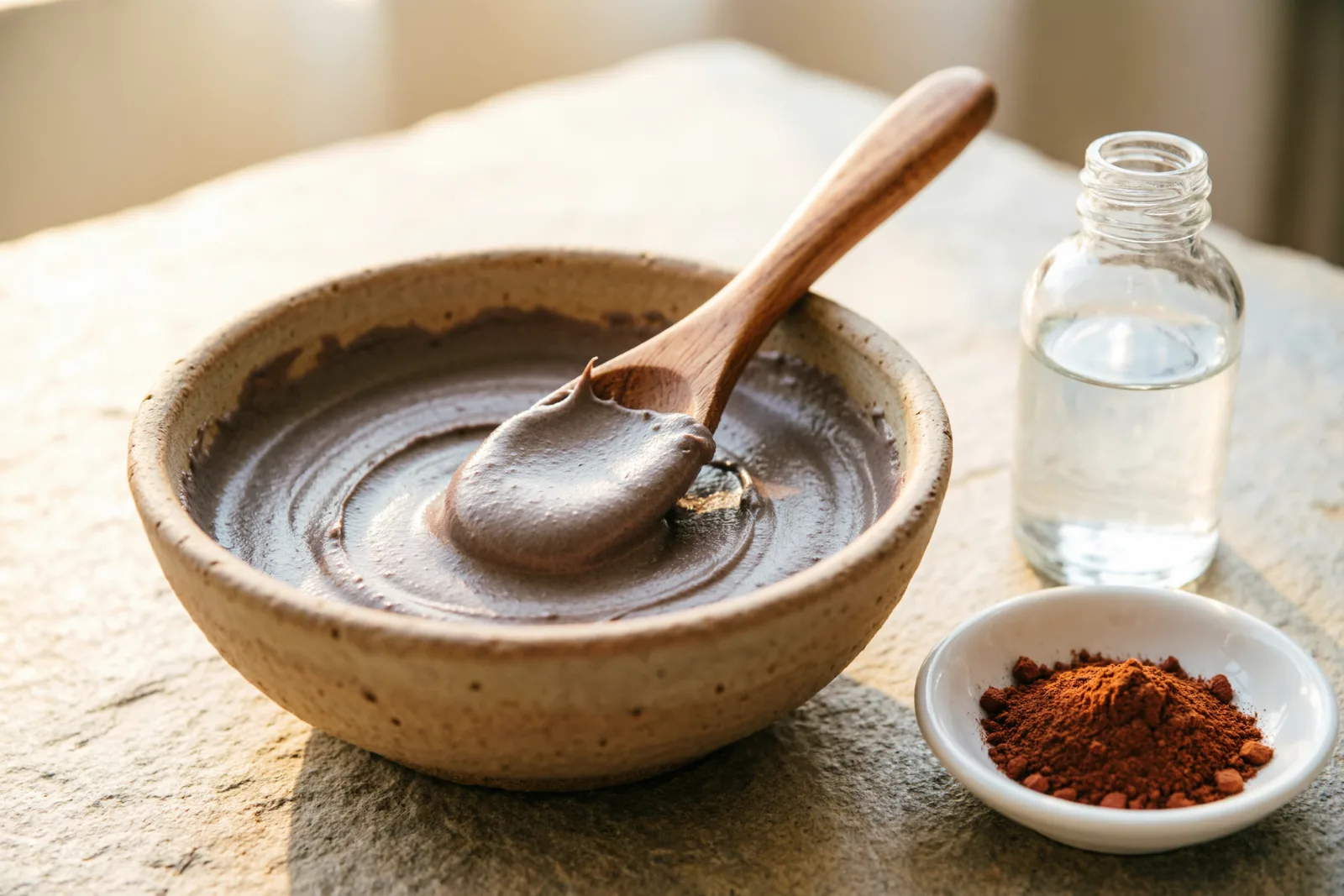
How to Prepare and Apply a Gentle Red Sandalwood Face Pack
If your skin is resilient and you wish to enjoy a traditional soothing ritual, follow this safe protocol:
Step-by-Step Application
- Measure: Place 1 level teaspoon of ultra-fine, cosmetic-grade red sandalwood powder into a clean glass or ceramic bowl.
- Hydrate: Add distilled water, pure rose water, or aloe vera juice drop-by-drop until it achieves a silky, lump-free consistency.
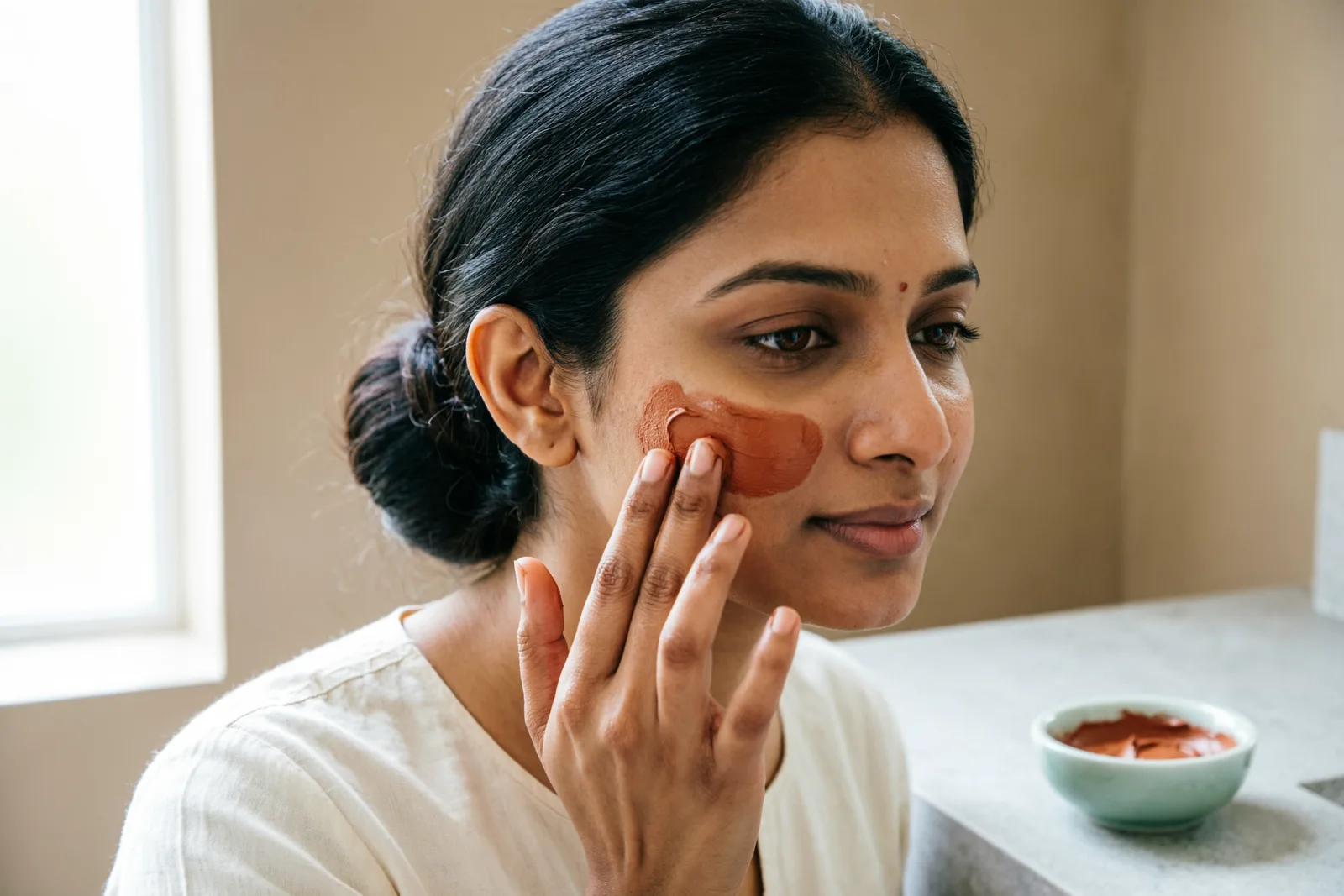
- Apply Lightly: Spread a thin, semi-translucent layer over clean, damp facial skin. Keep completely clear of the orbital eye sockets and lips.
- Time Mindfully (5–8 Minutes): Do not let the mask dry completely. Rinse with lukewarm water the moment the edges begin to set. Letting botanical pastes turn bone-dry pulls moisture out of living skin cells.
- Replenish: Pat dry with a clean towel and immediately apply a ceramide barrier moisturiser to lock in hydration.
Safety, Authenticity, and Mistakes to Avoid
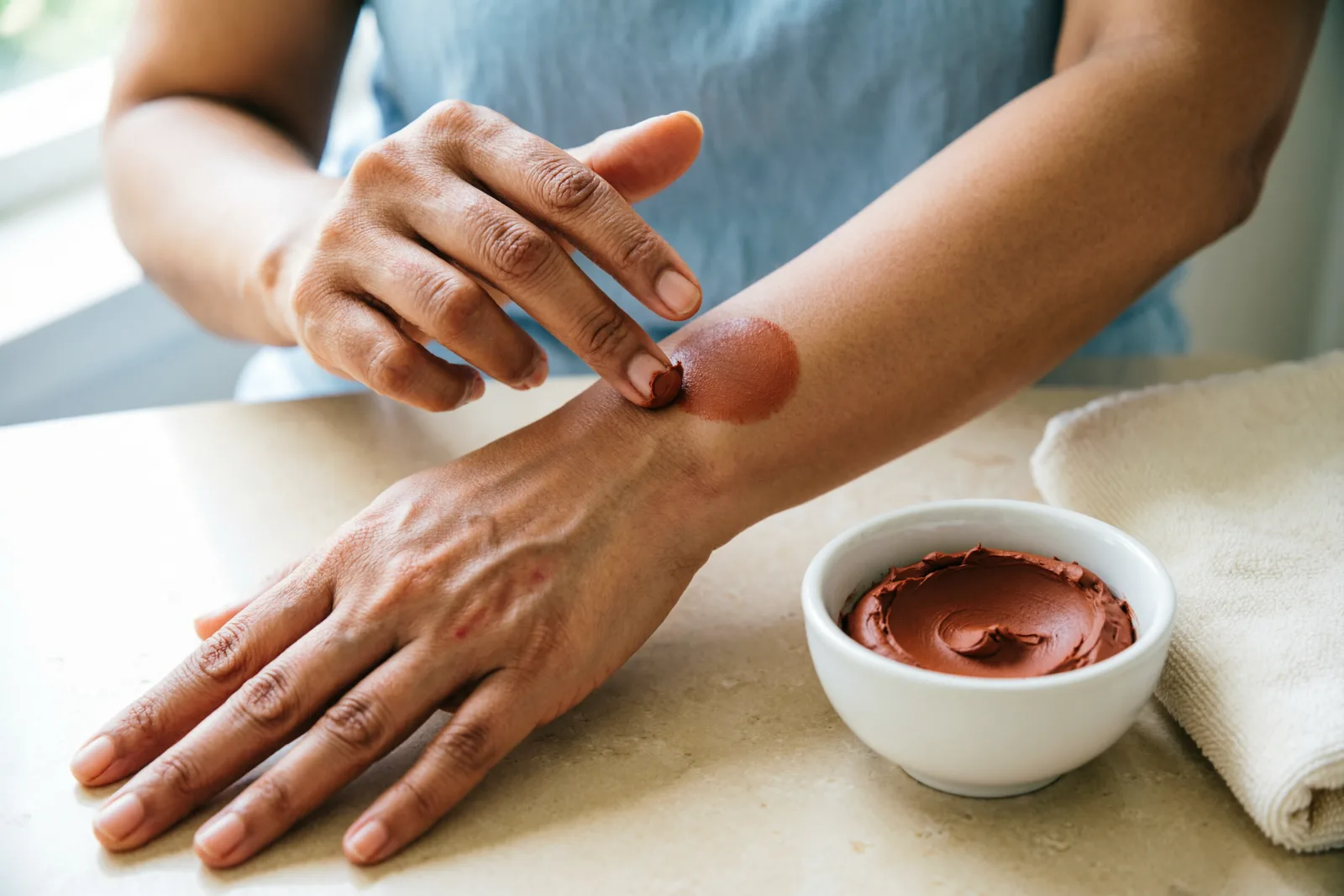
- Mandatory 24-Hour Patch Test: Wood dusts are known botanical allergens capable of provoking contact dermatitis. Test a small dab on your jawline or inner wrist for 24 hours before applying it to your face.
- Avoid Over-Masking: Limit use to once every 10 to 14 days. Daily application disrupts the epidermal lipid matrix.
- Never Add Kitchen Acids: Never combine red sandalwood with lemon juice, apple cider vinegar, or crushed aspirin. These caustic additives strip the skin's acidic barrier.
- Beware of Temporary Staining: Concentrated natural santalin pigments can leave a light reddish hue on fair skin and light-coloured towels. This washes away within 24 hours.
Conclusion
Red sandalwood remains an evocative emblem of ancient Indian self-care. When used thoughtfully as an occasional, gently hydrating botanical mask, it provides a soothing, grounding moment of tactile indulgence.
However, appreciating herbal traditions means rejecting unrealistic overnight promises. Keep your foundational dermatological pillars—gentle cleansing, barrier hydration, and everyday broad-spectrum sunscreen—at the core of your skincare, and treat red sandalwood as a mindful supplementary ritual.
Frequently Asked Questions
Can red sandalwood permanently alter skin tone?
No. There is no clinical or pharmacological mechanism through which topical red sandalwood permanently alters genetic skin pigmentation. Any immediate change is due to temporary exfoliation or surface staining from natural red pigments.
Does authentic red sandalwood have a strong perfume scent?
No. Red sandalwood (Pterocarpus santalinus) has an extremely subtle, earthy scent with zero floral perfume notes. If your powder smells intensely fragrant, it has likely been artificially perfumed or blended with synthetic fragrances that can irritate sensitive skin.
Can I apply red sandalwood onto active cystic acne?
No. Applying thick, powdery pastes over inflamed pustules or cystic acne traps sebum and follicular debris, worsening bacterial inflammation. For active acne, use evidence-based topicals such as salicylic acid (BHA), benzoyl peroxide, or prescription retinoids.
Can red sandalwood be combined with active retinoids or AHA acids?
Avoid using red sandalwood masks on the same evening you apply active chemical exfoliants or prescription retinoids. Stacking multiple drying treatments dramatically escalates your risk of barrier impairment, burning, and flaking.
Is red sandalwood safe during pregnancy and breastfeeding?
Because standardized clinical toxicology data on topical wood extracts during pregnancy is limited, always consult your obstetrician or dermatologist before introducing new herbal formulations into your prenatal routine.
Related Articles
Explore more insights and stories from this category.
How to Apply Under Eye Cream: Where, When and How Much
Learn how to apply under eye cream with the right amount, placement and timing. See how to use under eye cream gently and avoid common skincare mistakes.
Benefits of Vitamin C for Skin: What Really Works?
Explore the benefits of vitamin C for skin, from antioxidants to uneven tone. Learn about vitamin C serum benefits, safe application and common mistakes.