10 Handbag Organization Tips Every Woman Needs for a Clutter-Free Bag
Try 10 practical handbag organizer tips to keep every essential in place. Get smart handbag storage and handbag organization ideas for a clutter-free bag.
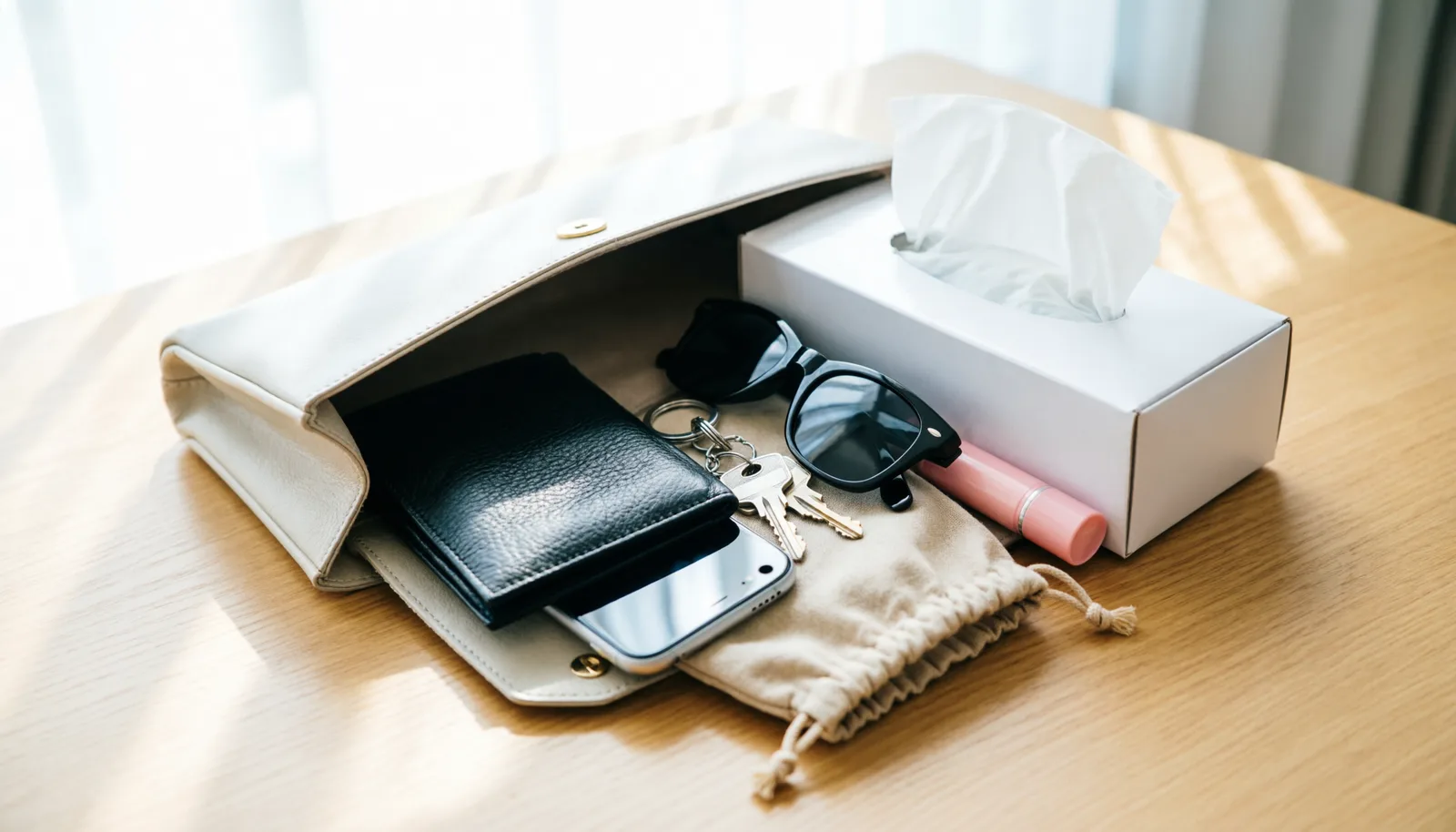
A handbag can go from neatly packed to frustratingly chaotic in a few busy days. Receipts gather at the bottom, lip products roll into corners, charging cables tangle around keys, and the one thing you need always seems to disappear.
The best handbag organizer tips focus less on fitting more into your bag and more on making every item easy to find, use, and return to its place. A simple system can also make switching between a tote, shoulder bag, or crossbody much quicker. These ten practical tips will help you cut unnecessary clutter, create useful zones, and keep your everyday essentials organized without turning your bag into a collection of tiny containers.
The Golden Rule of Handbag Organization
An organized bag isn't about carrying tiny containers for everything—it's about intentional editing and having fixed homes for the items you reach for every single day.
Start with a Complete Handbag Reset
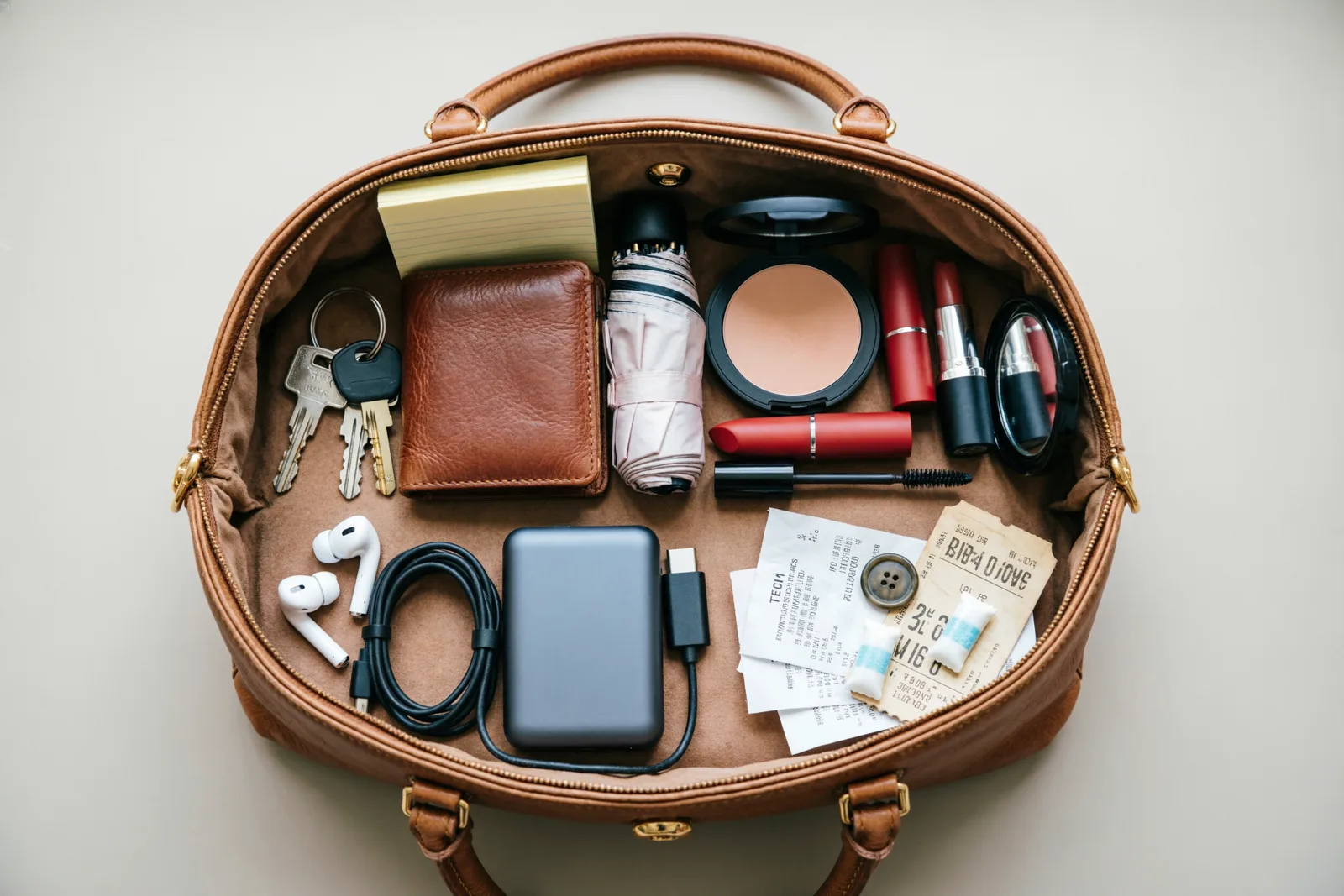
Before buying organizers or rearranging pockets, clear the bag completely. An empty interior shows what has been taking up space and makes it easier to decide what deserves to go back.
1. Empty Every Pocket and Sort Everything
Lay the contents on a clean table and separate them into four distinct groups:
- Daily essentials (phone, wallet, keys, lip balm)
- Occasional items (sunglasses, compact umbrella, backup charger)
- Things that belong elsewhere (loose receipts, mail, work badges, kids' toys)
- Rubbish (expired coupons, empty wrappers, used tissues, old parking tickets)
Check hidden zip pockets too. Old receipts, expired coupons, empty wrappers, loose coins, and forgotten hair ties can make a bag feel crowded without adding any real value.
Be realistic about "just in case" items. If you have carried something for months without using it, consider keeping it at home, in your car, or in your desk drawer instead.
2. Build a Small Everyday Essentials List
Choose the items you genuinely use during a normal day. A realistic core list usually includes:
- Smartphone & compact slim charger / cable
- Cardholder or minimalist wallet
- House & car keys
- Sunglasses in a slim protective pouch
- Pocket tissues & hydrating lip balm
- Hand sanitizer & compact mirror
Work, travel, or parenting needs may add a few situational extras, but keeping your foundation compact makes it easy to spot when unnecessary objects start creeping back in. It also helps you choose a handbag size based on your routine rather than filling whatever space happens to be available.
Handbag Organizer Tips That Make Daily Access Easier
Once you know what stays, organize the interior around how often you reach for each item. The goal is to make locating common essentials completely automatic.
3. Give Frequently Used Items a Fixed Pocket
Assign the easiest-to-reach pockets to your phone, keys, and cardholder. Use the same locations every day so you never have to rummage each time you leave the house or reach a payment terminal.
- Keep high-value items in a secure zipped interior section rather than loose near the top opening.
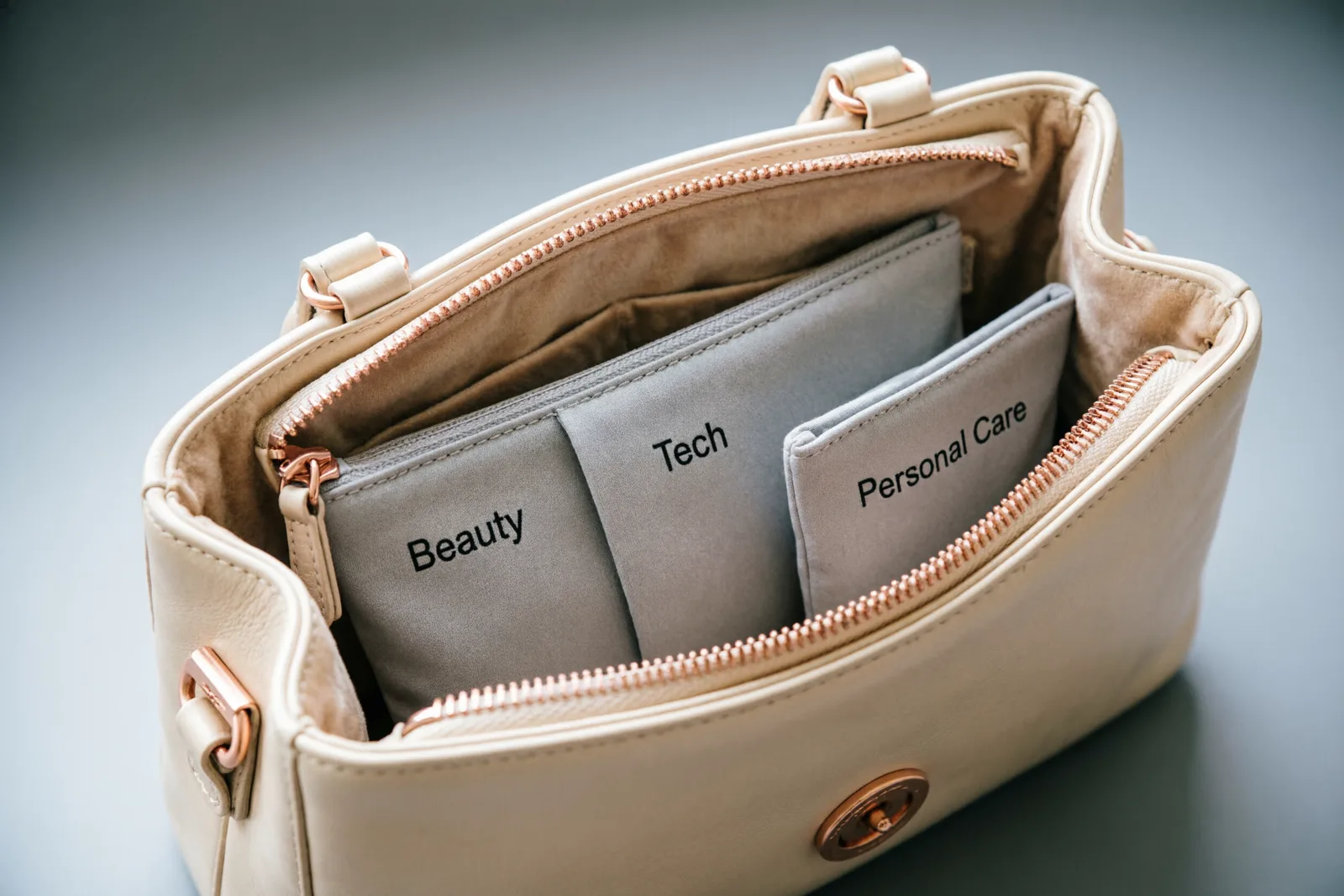
- If your bag has limited internal slip pockets, a structured removable felt or nylon insert can create simple compartments without permanently altering the bag.
4. Group Small Items into Purpose-Based Pouches
Loose objects create most of the visual and physical mess inside any handbag. Divide smaller essentials by purpose:
- Beauty Pouch: Lipstick, compact powder, hand cream, and travel perfume.
- Tech Pouch: USB-C charging cable, earbuds, and compact power bank.
- Personal Care Pouch: Mints, pain relief, band-aids, and hair ties.
The Over-Pouching Trap
Avoid using too many pouches. Two or three clearly defined groups are much easier to manage than half a dozen tiny cases that look identical from the top.
5. Keep Bulky Items at the Bottom
Place heavier or larger pieces—such as a stainless water bottle, compact umbrella, or e-reader—at the base of the bag. Lighter items and pouches can sit above them or in dedicated side compartments.
This creates a balanced, stable center of gravity and prevents delicate items from getting crushed beneath heavier objects. For structured leather handbags, keeping the center relatively open makes everything visible in a single glance.
Handbag Storage Habits That Keep Clutter Away
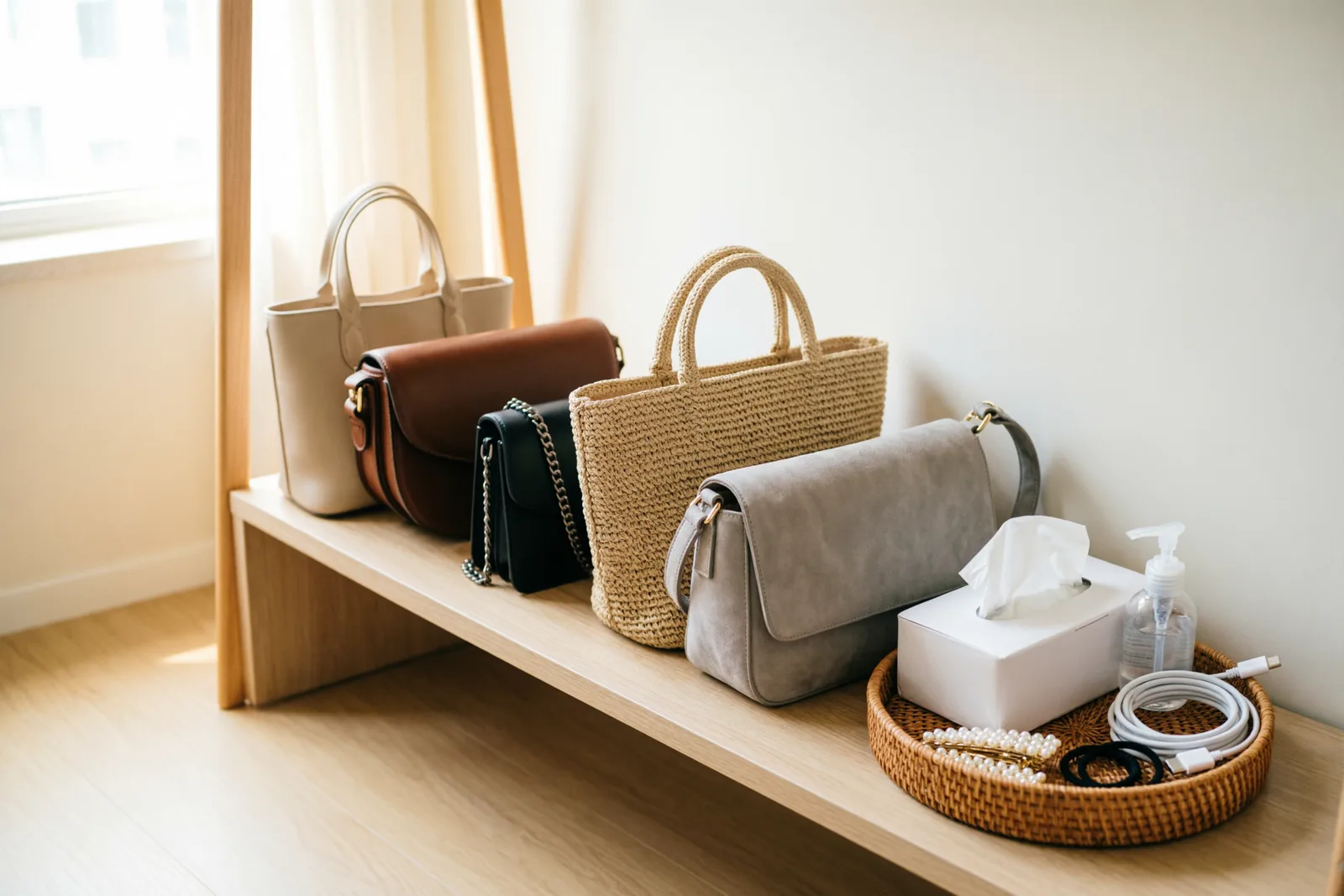
Good organization is not only about what happens inside the bag you are carrying today. A dedicated setup at home makes your daily routine smoother, especially if you rotate styles often.
6. Create a Dedicated Drop Zone at Home
Choose one designated home spot for the handbag you are currently carrying—such as an entryway console shelf, an entryway hook, or a dedicated wardrobe cubby.
Keeping your bag in a consistent place eliminates last-minute morning scrambles and creates a natural landing pad to discard receipts, empty wrappers, and return misplaced items after arriving home.
7. Store Backup Essentials Near Your Bags
Keep frequently replaced items—such as travel tissue packs, pocket sanitizer bottles, hair ties, or spare mints—in a small decorative tray or basket near your handbag collection.
This transforms handbag prep into a seamless ritual rather than an extra chore. When switching bags, you can quickly transfer your core pouch and grab fresh consumables in seconds without hunting through bathroom cabinets.
Handbag Organization Ideas for Faster Bag Switching
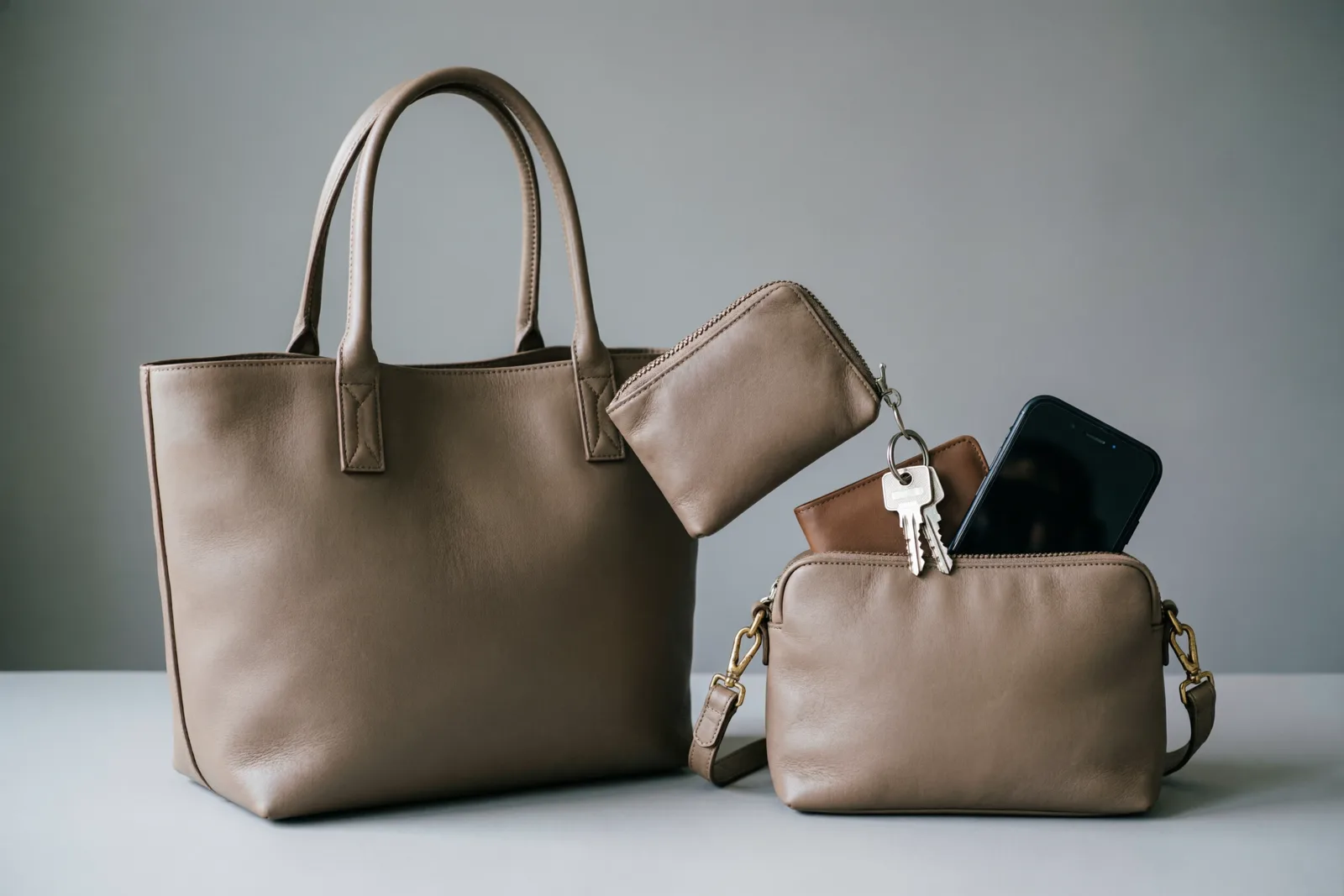
Changing handbags for work, evening dinners, travel, or to match an outfit should never require unpacking your entire life. The most sustainable systems make your essentials portable.
8. Use a Transfer Pouch for Daily Necessities
Create one master transfer pouch for items that move with you from bag to bag:
- Lip balm & compact mirror
- Hand sanitizer & mini lotion
- Wireless earbuds & charging cable
- Travel medication & emergency hair ties
Your wallet, phone, and keys move alongside the pouch. When transitioning from a workday tote to a weekend shoulder bag, moving a single pouch ensures you never leave essential personal items behind.
9. Match the Contents to the Bag Size
A spacious tote bag often tempts you to carry extra items simply because empty space exists. A mini crossbody bag forces stricter editing. Instead of treating every handbag with the same packing rules, tailor your loadout to the silhouette:
| Bag Silhouette | Ideal Essentials | What to Leave Behind |
|---|---|---|
| Work Tote | Laptop/tablet, tech pouch, notebook, water bottle, full wallet | Duplicate makeup products, old paperwork |
| Shoulder Bag | Transfer pouch, cardholder, phone, sunglasses, keys | Bulky water bottles, extra tech gear |
| Mini Crossbody | Phone, slim cardholder, key fob, single lip gloss | Large wallets, full pouch sets, umbrellas |
Letting the occasion and silhouette decide what earns space is one of the simplest, most effective handbag organization strategies.
Make Organization a Habit, Not a One-Time Project
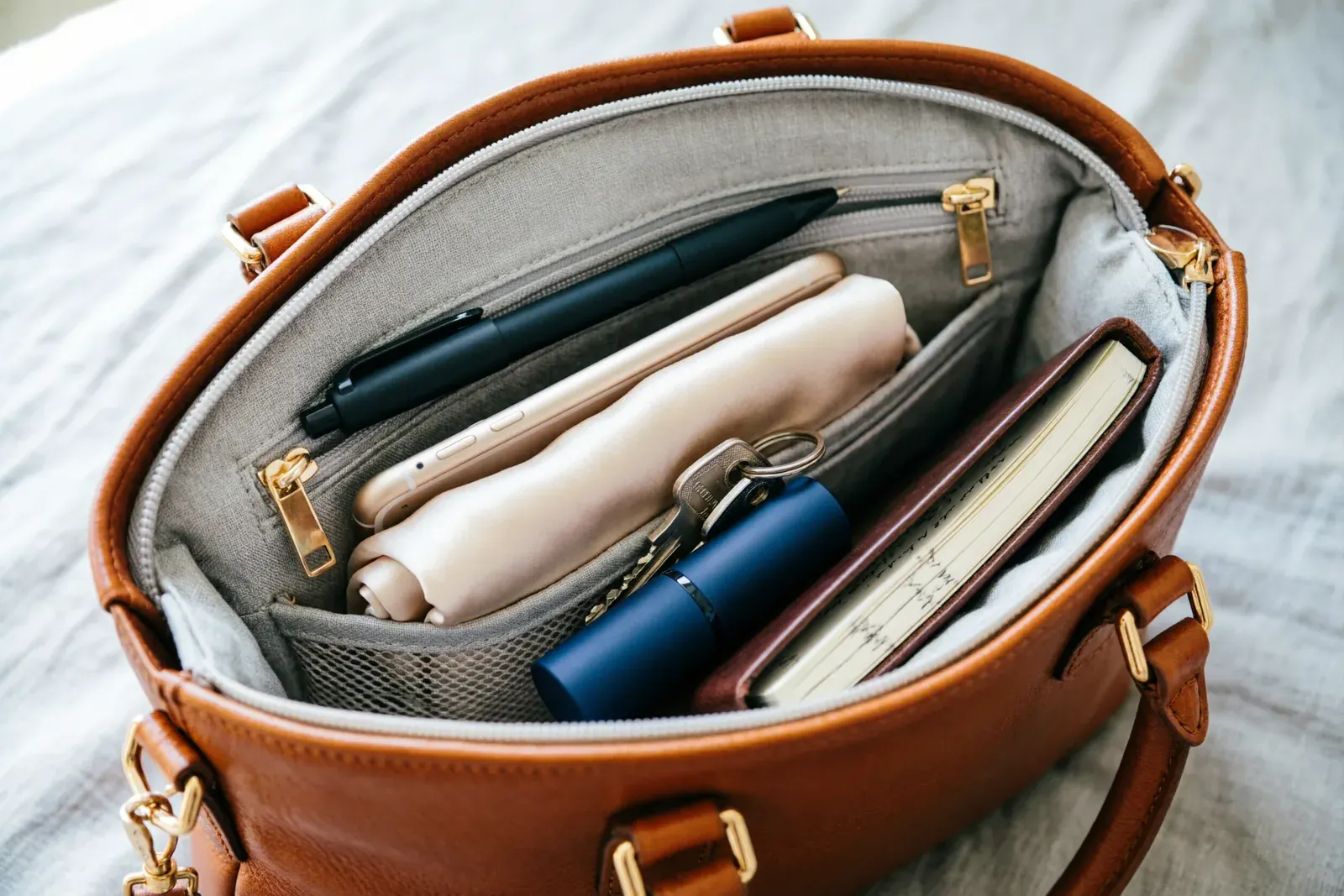
Even a flawlessly arranged handbag will devolve into clutter if everyday items accumulate unchecked. Maintenance should be effortless and quick enough to fit naturally into your lifestyle.
10. Do a Five-Minute Weekly Reset
Pick a consistent weekly anchor—such as Sunday evening or the end of your Friday workday—to perform a five-minute maintenance reset:
- Clear trash: Toss used receipts, wrappers, and parking slips.
- Re-file paperwork: Transfer business cards, bills, and medical receipts to your home filing spot.
- Restock consumables: Refill mints, tissues, or hand sanitizer if running low.
- Clean the interior: Turn the bag over a trash bin and gently shake out crumbs or wipe interior linings per manufacturer care instructions.
Stylist's Reality Check
If clutter returns within 48 hours, resist the urge to buy more organizer gadgets immediately. First evaluate whether you are overpacking or whether a specific daily item needs a more obvious, accessible home.
Keep Your Handbag Clutter-Free with a Simple System
The best handbag organizer tips succeed because they match your real-world daily rhythm, not an unrealistic aesthetic showcase.
- Purge dead weight: Start by removing items you haven't touched in weeks.
- Establish fixed zones: Give your keys, phone, and cardholder permanent pockets.
- Compartmentalize smalls: Use 2–3 categorized pouches to group loose beauty and tech gear.
- Streamline bag transitions: Use a single transfer pouch for instant swaps between work and weekend styles.
- Maintain with a weekly reset: Five minutes once a week keeps your bags feeling brand new.
Once every daily essential has a dedicated home, your handbag becomes lighter to carry, effortless to navigate, and a pleasure to use every day.
Frequently Asked Questions
How can I stop my handbag from losing its shape?
Avoid overfilling your bag with excessively heavy items, which stretches leather and warps seams. When storing handbags that aren't in active rotation, loosely stuff the interior with acid-free tissue paper, a purse pillow insert, or clean bubble wrap, and store them upright on a closet shelf away from direct sunlight.
What type of handbag organizer is best for a tote bag?
A lightweight felt or durable nylon insert with open vertical compartments works best for tote bags. Felt provides gentle structure without adding noticeable weight, while nylon offers easy wipe-clean maintenance. Choose an insert that is 1–2 inches smaller than your tote's interior dimensions so it doesn't distort the bag's exterior lines or hinder the closure.
How can I organize a handbag that has no internal pockets?
If your bag lacks built-in pockets, use a combination of a structured insert organizer and two lightweight zip pouches. The organizer creates instant vertical slots for your phone and cardholder, while the pouches contain smaller beauty and tech essentials, preventing them from scattering across the bottom.
How do I prevent liquids from leaking inside my handbag?
Always store lotions, hand sanitizers, cosmetics, and perfumes in a dedicated waterproof or wipeable TPU/PVC pouch. Check that caps and nozzles are securely fastened, and opt for twist-lock or leak-resistant travel containers. Never toss open beverage bottles or unsealed liquid cosmetics directly into your bag's main cavity.
What should I avoid carrying loose inside my handbag?
Avoid leaving uncapped pens, open cosmetics, loose coins, fine jewelry, unpackaged snacks, and unsealed liquid containers loose inside the main compartment. Uncapped pens and cosmetics can cause irreversible ink and oil stains on fabric and suede linings, while loose keys and coins can scratch delicate phone screens and leather cardholders.
Related Articles
Explore more insights and stories from this category.
How to Wash Pleated Clothes Without Losing Their Shape
Learn how to wash pleated clothes gently, from checking care labels to drying without damage. Find out how to wash a pleated dress and protect its folds.
How to Style a Plus-Size Pleated Skirt: Outfit Ideas
Learn how to style a skirt with plus-size pleated outfit ideas for work, weekends and parties. See how to wear a skirt with the right tops and shoes.