Origin of Handbags: How Purses Became Style Icons
Explore the origin of handbags and how practical pouches became fashion essentials. This handbag history guide also explains the history of purses.
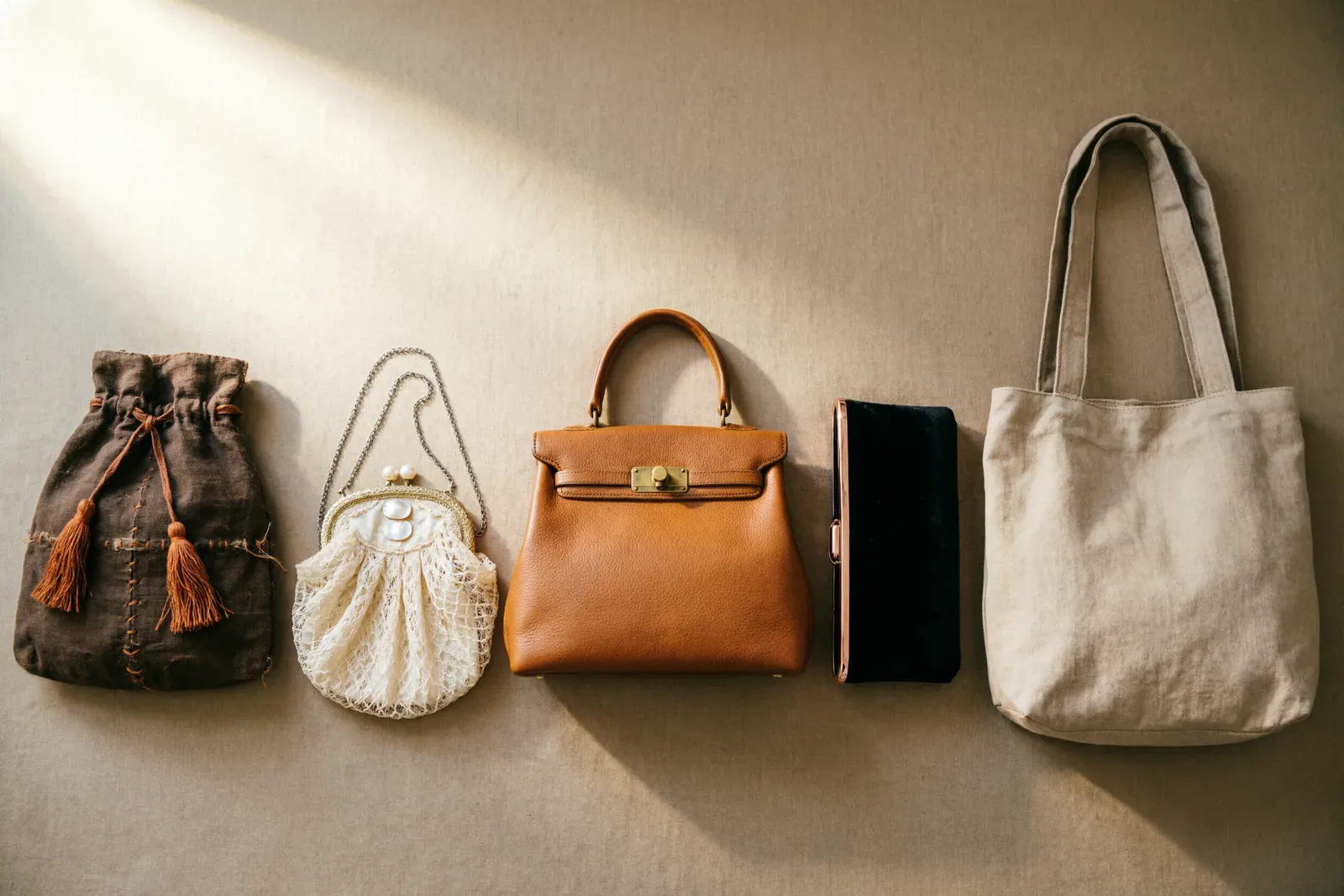
A handbag may look like a quintessential fashion statement today, but its cultural journey began with a fundamental human necessity: carrying small essentials safely and conveniently. Long before designer totes graced catwalks and high-street windows, bags served strictly utilitarian purposes.
Across different centuries, pouches, reticules, leather travel satchels, evening clutches, shoulder bags, and spacious totes evolved alongside massive shifts in clothing silhouettes, public transit, social customs, and women's roles in society. This article explores how a simple pouch transformed into one of the most expressive, celebrated accessories in modern fashion history.
The Core Theme of Handbag History
Every major revolution in handbag design responded to an underlying shift in lifestyle, garment construction, or mobility. Handbags never evolved in a vacuum; they adapted to how women lived and moved.
The Origin of Handbags: From Utility to Style
The earliest predecessors of the handbag were not ornamental. In antiquity and medieval Europe, everyday individuals required a method to transport coins, herbs, tools, keys, and personal seals. Because sewn-in pockets did not yet exist in garments, small drawstring pouches tied around the waist or suspended from belts served as the primary solution.
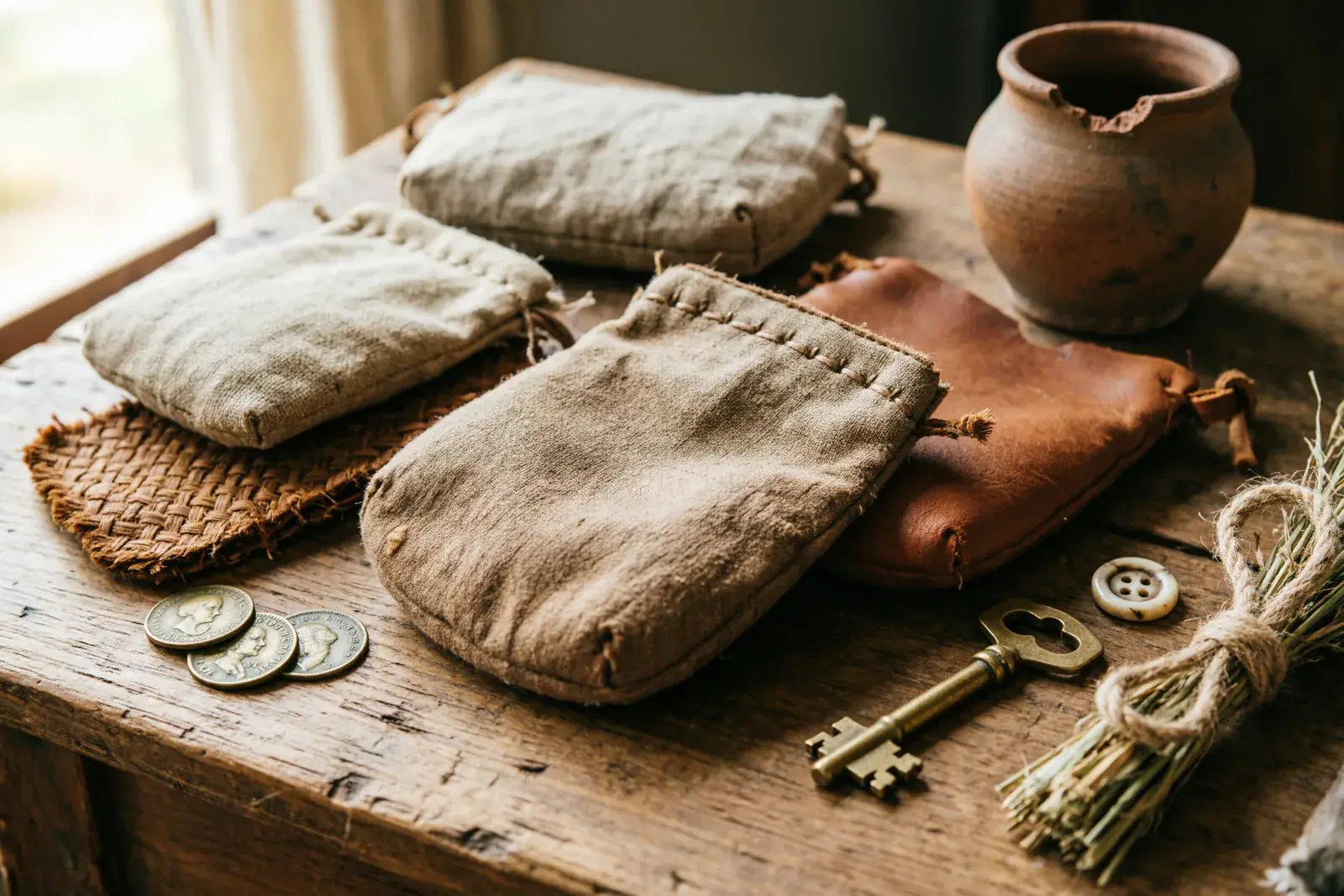
These early utility bags were worn interchangeably by both men and women. Craftspeople fashioned them from animal hides, heavy linens, and woven reeds. Over time, wealthy merchants and nobility began commissioning pouches adorned with silk embroidery, metallic threads, and semi-precious beads, transforming practical containers into early emblems of social status.
How Handbag History Changed with Clothing and Culture
The true catalyst for the modern handheld purse was the radical transformation of women’s garments during the late 18th century.
Prior to the 1790s, women wore voluminous skirts over petticoats with large, hidden "tie-on pockets" accessible through side slits in their gowns. However, the French Revolution and the rise of Neoclassical fashion ushered in narrow, column-like silhouettes made of sheer muslin and draped silks. These fitted empire dresses could no longer conceal bulky tied pockets without ruining their sleek lines.
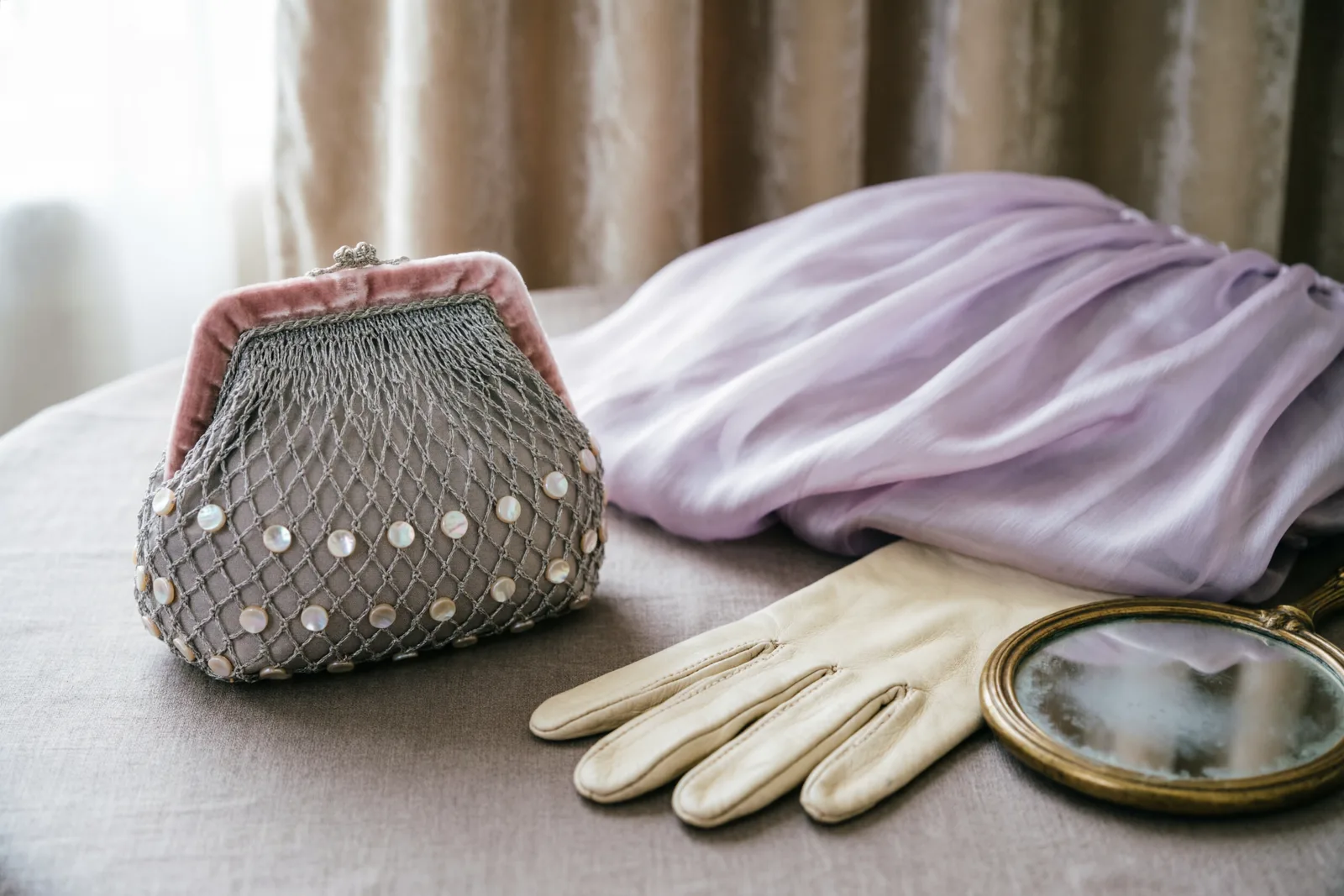
The Emergence of the Reticule
To carry coins, handkerchiefs, smelling salts, and dance cards, women adopted the reticule (often humorously termed the "indispensable"). Carried openly by slender silk cords or delicate chains, the reticule brought the handbag out into the open for the very first time.
As industrialisation expanded and railway travel flourished during the 19th century, delicate drawstring reticules proved insufficient for journeying across countries. Travelers required durable luggage, prompting luxury trunk-makers like Louis Vuitton and Hermès to scale down heavy trunks into durable, lockable leather travel satchels—giving birth to the modern structured handbag.
Handbag Styles Through the Centuries
| Historical Era | Dominant Style | Key Function & Cultural Context | Primary Materials |
|---|---|---|---|
| Medieval to 17th Century | Girdle Pouch | Hidden or waist-bound storage for coins and keys | Leather, wool, linen |
| Late 18th to 19th Century | Reticule | Visible handheld purse designed for slender empire dresses | Silk, velvet, beadwork |
| Early 20th Century | Structured Travel Bag | Luggage scaled down for railway and steamship voyages | Sturdy calfskin, brass latches |
| 1950s Post-War | Clutches & Top-Handle Bags | Elegance, poise, and structured social glamour | Lucite, satin, fine leathers |
| 1970s to Present | Shoulder Bags & Crossbodies | Hands-free convenience for urban commuting and independence | Suede, canvas, recycled nylon |
The History of Purses and Everyday Function
During the 20th century, handbags became inextricably linked with female autonomy and changing professional environments.
Hands-Free Mobility
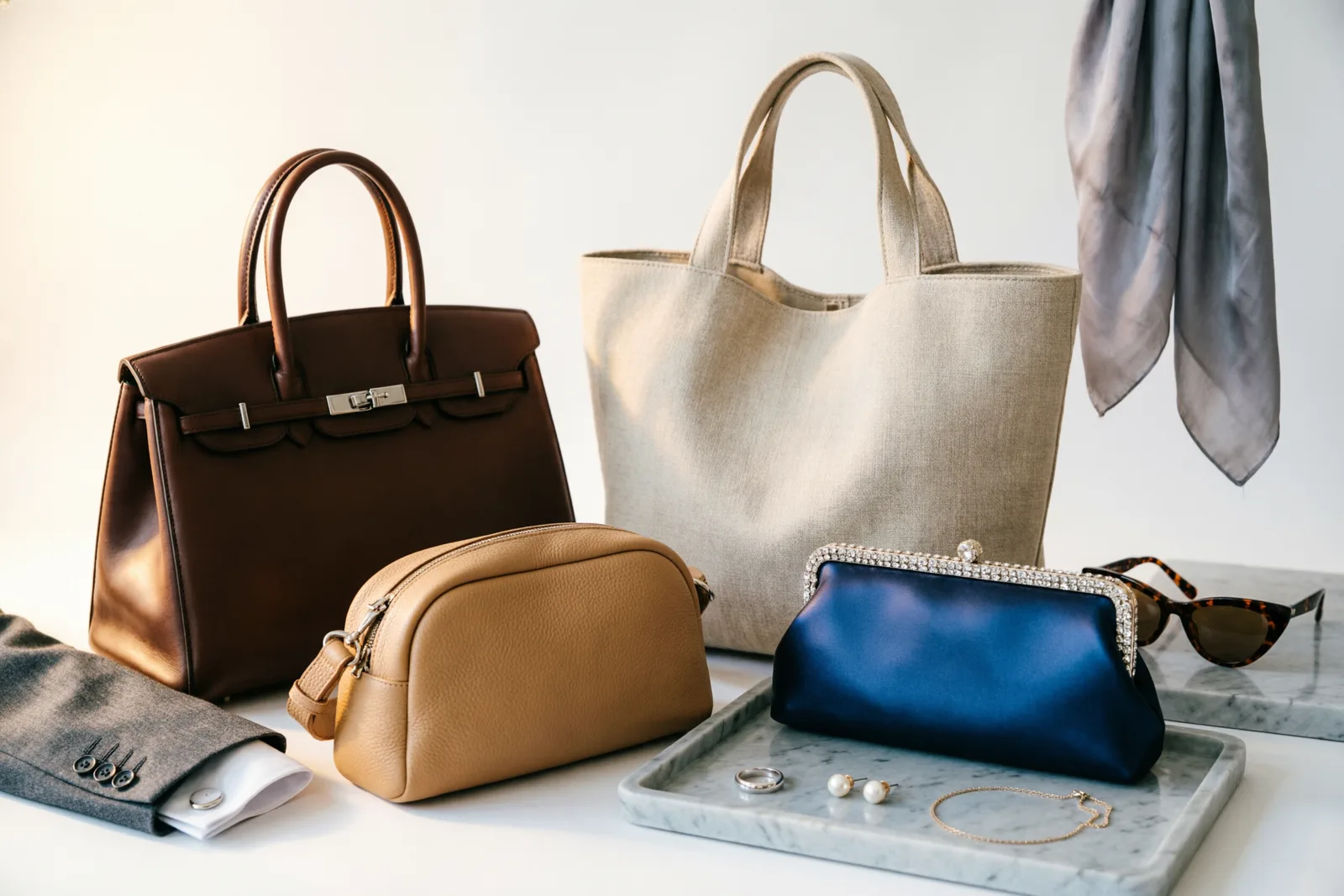
As women joined university faculties, entered corporate offices, and embraced driving automobiles, handheld satchels were adapted for hands-free movement. Coco Chanel’s introduction of the quilted shoulder bag with a gilded chain strap in February 1955 (the famed 2.55) famously freed women’s hands, fundamentally modernising accessory design.
Specialisation of Silhouettes
No longer expected to carry one bag for all purposes, wardrobes adapted distinct silhouettes tailored to specific moments:
- The Top-Handle Satchel: Commands authority in formal meetings and professional settings.
- The Crossbody Sling: Guarantees unrestricted mobility during urban commutes and weekend travel.
- The Spacious Tote: Accommodates tech gear, gym wear, water bottles, and paperwork.
- The Sleek Clutch: Holds minimal evening essentials under candlelight.
Why Handbags Became Style Icons
Handbags occupy a unique space in fashion because they unite pure functionality with deep emotional expression. A coat protects against the weather and shoes facilitate walking, but a handbag holds our personal world—our keys, finances, memories, makeup, and technology.
Because a handbag does not depend on dress sizes or body measurements, it represents an inclusive, universal accessory that empowers its owner. Whether crafted from sumptuous vegetable-tanned leather, vegan cactus textiles, or heritage canvas, a well-chosen bag frames an entire ensemble with intention and history.
Mindful Bag Selection
When investing in a handbag today, celebrate its heritage: choose pieces crafted from durable materials with reinforced stitching that serve your actual daily routine rather than chasing micro-trends.
Conclusion
The origin of handbags demonstrates how a modest carrying pouch evolved into an enduring cultural icon. What began as an answer to basic utility developed into a canvas for craftsmanship, architectural design, and personal freedom. Understanding handbag history enriches our appreciation for every clutch, shoulder strap, and tote we carry today, reminding us that true style always moves in rhythm with real life.
Frequently Asked Questions
Were handbags originally used by men or women?
Early pouches and girdle bags were used extensively by both men and women. In medieval and Renaissance Europe, both genders tied leather pouches to their belts to transport money, seals, and tools before built-in coat and trouser pockets became standard.
What is the difference between a purse and a handbag?
Historically and in British English, a purse primarily referred to a small coin container, while a handbag denoted a larger, structured bag equipped with handles. In American English, the terms are frequently used interchangeably to describe any women’s bag.
Why did handbags become so essential in women’s fashion?
Handbags gained prominence when dress silhouettes became too slim to conceal internal pockets in the late 18th century. As women embraced public life, professional careers, and travel throughout the 19th and 20th centuries, handbags became indispensable symbols of mobility and independence.
Which handbag style has stayed relevant the longest?
Structured leather satchels, flap shoulder bags, and open-top totes have remained popular across decades because they satisfy timeless needs: secure transport, comfortable carriage, and versatile elegance across formal and casual settings.
Related Articles
Explore more insights and stories from this category.
How to Wash Pleated Clothes Without Losing Their Shape
Learn how to wash pleated clothes gently, from checking care labels to drying without damage. Find out how to wash a pleated dress and protect its folds.

How to Style a Plus-Size Pleated Skirt: Outfit Ideas
Learn how to style a skirt with plus-size pleated outfit ideas for work, weekends and parties. See how to wear a skirt with the right tops and shoes.